|
The Fare Is Already Paid by Rolaant McKenzie |
|
|
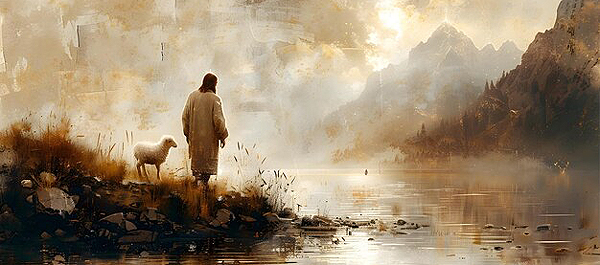
In 1930, American astronomer Clyde W. Tombaugh (1906-1997) discovered one of the farthest objects in the solar system, the dwarf planet Pluto. Forty-eight years later, another American astronomer, James W. Christy, while working at the United States Naval Observatory discovered that Pluto had a moon, which was named Charon. In 2006, NASA launched the New Horizons space probe, and it became the first spacecraft to fly by Pluto, four other moons that were discovered after 1978, and the largest one, Charon. Most of the planets, moons, and other objects discovered in our solar system have been named after ancient Greek and Roman deities, and such is the case with Charon. In ancient Greek culture, it was customary to place a small coin called an obol in or on the mouth of the dead as part of the funeral rites. When the souls of the dead were taken to the banks of the Acheron (River of Woe) at the entrance of the underworld, they would pay the coin to Charon as fare so that he would guide them on his ferry across the River Styx (Water of Shuddering) and come before Hades (Roman: Pluto) for judgment. Those without the coin to pay the fare were left to wander the shores of the Acheron as restless spirits. The dead were judged according to the life they lived on earth and their deeds. Those determined to be sufficiently good were allowed to enter the land of the blessed, Elysium. Those whose lives were deemed to be neither good nor bad were sent to Asphodel Meadows to live a meaningless and monotonous existence. And those whose deeds were evil were sentenced to a dark eternity of torment in Tartarus. Like the ancient Greeks and Romans, regardless of religious label or tradition, most people in the world (including some who profess adherence to the Christian faith) believe in some form of paying Charon to hopefully gain passage to a blessed eternal state. They believe that if their deeds, partaking of sacraments, observing certain days, or participation in pilgrimages are sufficient, they will merit a favorable judgment and outcome in the afterlife. Before David was king of Israel, he recalled his days as a shepherd and the love, guidance, and protection he provided for the sheep under his care. He composed Psalm 23 as an illustration of the gracious and steadfast faithfulness of God in his life, who was his Shepherd who loved him, provided for his needs, protected him, and freely guided him even "through the valley of the shadow of death." David had the assurance that the Lord's goodness and lovingkindness would accompany him throughout his life and that he would be guided to His house, not for judgment, but to dwell there with the Lord forever in fullness of joy and peace. Due to our own sins before God, none of us can bring anything to the table to bargain or pay for safe passage "through the valley of the shadow of death" and stand before Him in peace. Indeed, even our best righteous deeds are like a filthy garment in the light of His holiness (Isaiah 64:6). Because of Adam's disobedience to God in the Garden of Eden that brought sin, suffering, and death into the world, our default position from the womb is to turn away from God and go our own way to destruction (Psalm 14:1-3, 51:5; Romans 3:9-20, 5:12-21). We are like sheep who have gone astray, wandering and lost, unable to find our way home, and doomed to eternal separation from the life of God. The Shepherd that was David's Lord is Jesus, and it was upon Him that our sin, our iniquity, was laid for our redemption (Isaiah 53:6). Jesus declared,
Turn away from paying the Charons of this world who cannot guide you to true peace with God and entrance into His house. It is a futile path that ends in eternal separation from the life of God.
Trust in the Lord Jesus Christ alone, the Good Shepherd who makes sure every single one of His sheep makes it safely home. He has already paid in full, by His shed blood on the cross, the fare to guide you across the straits of life and death to His Father's house (John 14:1-6), and He has proven this by rising from the dead (Acts 17:29-31). Hallelujah!
| |
 |
|
| What Is the Gospel? | What Must I Do to Be Saved? | Home | Contact Us | Return | |